Care & Usage Guide
Care & Usage Guide
Simple, practical guidance for choosing, using, cleaning, and storing personal care, oral care, wellness, first aid, and family care essentials with greater confidence.
Check the product label and included instructions before use.
Start with the least intensive suitable setting or pressure.
Routine care helps keep everyday essentials ready for use.
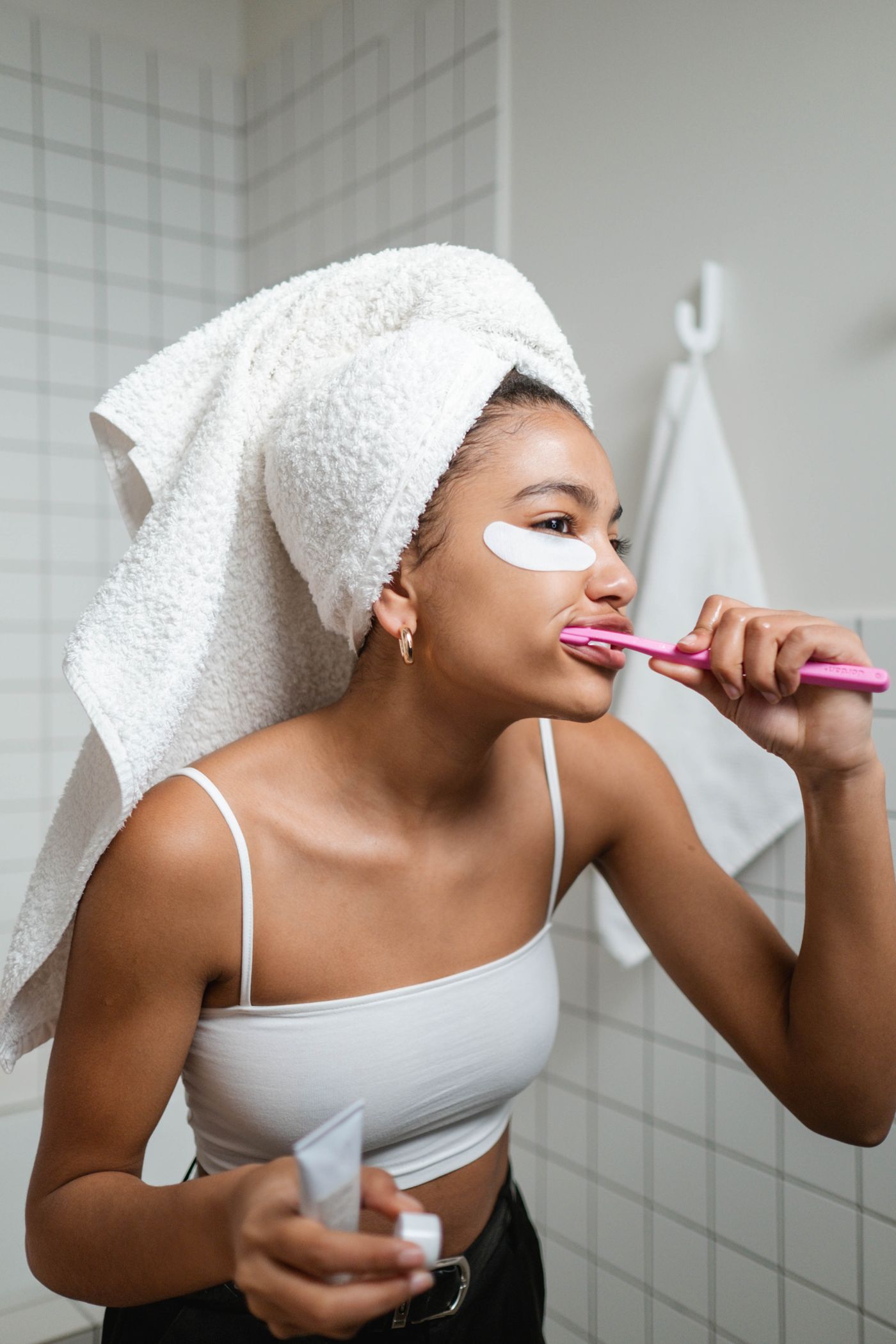
Four checks before a new routine begins.
A few careful minutes at setup can help you use daily care products more comfortably and reduce avoidable wear, contamination, or misuse.
Confirm the fit
Review size, intended user, contact area, accessories, and compatibility. A product should feel secure and appropriate without pinching, forcing, or unstable movement.
Pause if fit feels wrongInspect the product
Before use, look for loose parts, cracked housings, frayed cables, damaged seals, sharp edges, or opened hygiene packaging. Do not use a damaged item.
Check before each sessionClean as directed
Wash or wipe reusable contact surfaces according to the product instructions. Do not immerse powered parts unless the manufacturer specifically identifies them as washable.
Keep power parts drySet up a clean zone
Use a dry, stable, well-lit surface. Keep clean and used items separate, wash hands when appropriate, and place small parts beyond the reach of children.
Prepare before opening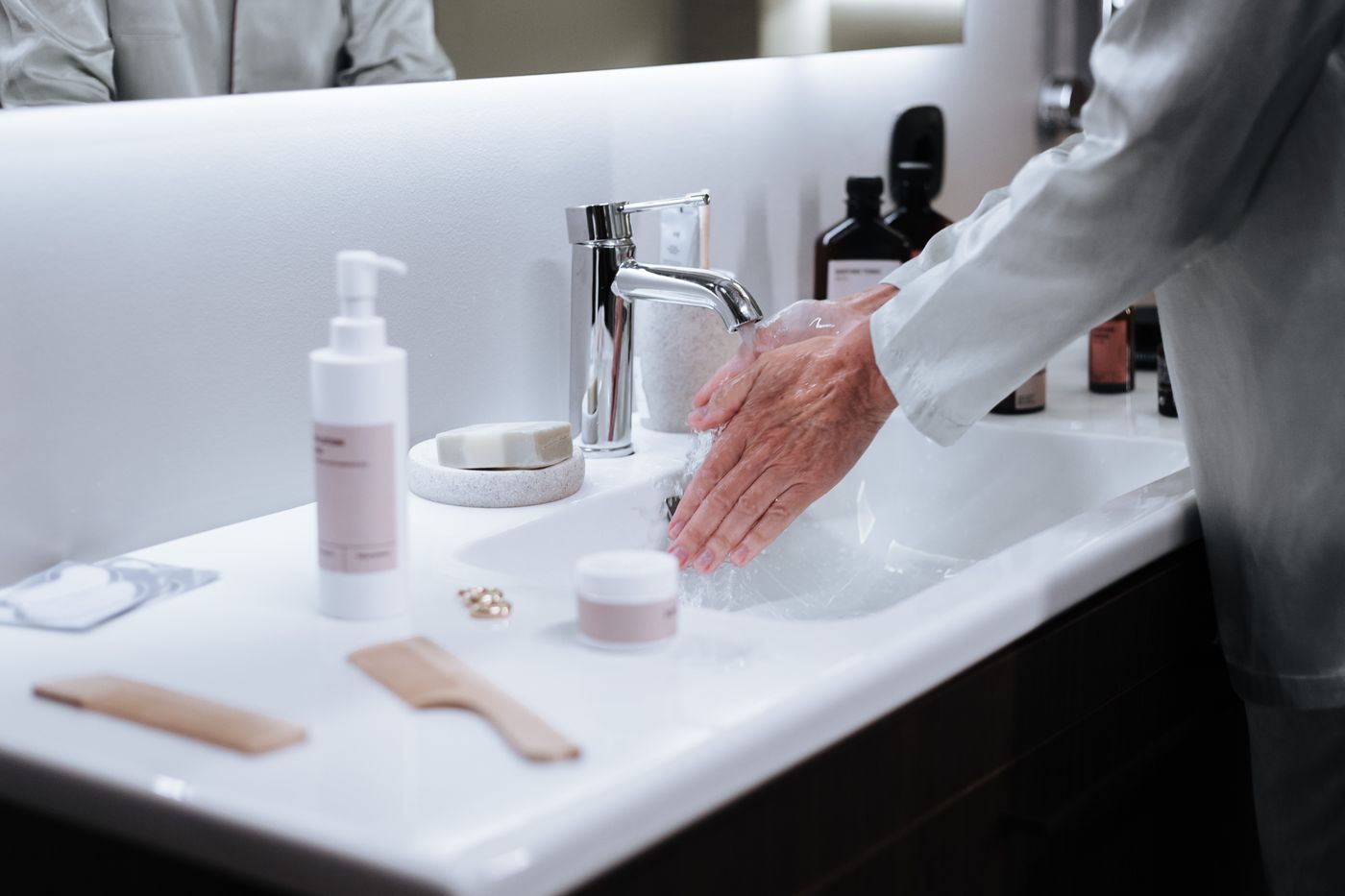
Keep the routine clean from start to finish.
Clean hands, separated personal items, and complete drying matter as much as the product itself. Use the care method stated on the packaging or instruction manual whenever it differs from these general steps.
- Wash and dry hands before handling oral care, first aid, baby care, or skin-contact accessories.
- Use clean water and a mild cleaner only when the product instructions allow it.
- Rinse removable washable parts thoroughly so residue does not remain.
- Air-dry completely on a clean surface before reassembly or enclosed storage.
- Do not share products intended for one person's mouth, skin, grooming, or hygiene routine.
Care guidance by everyday need.
Different essentials need different handling. Start with the product instructions, then use these practical reminders to support a consistent routine.
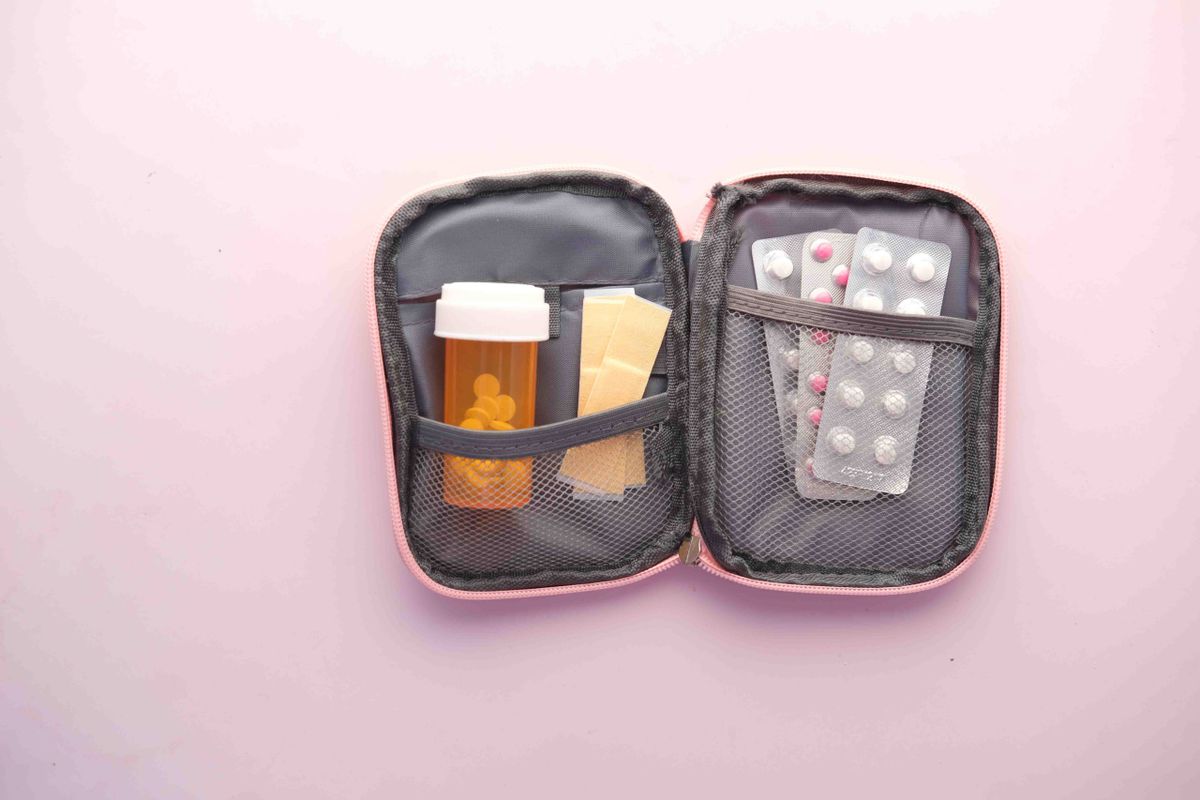
Organize, check, replenish.
Keep supplies grouped by purpose and make essential items easy to identify without searching through loose products.
- Review seals, dates, and package condition regularly.
- Replace used, expired, wet, or damaged items.
- Store according to label directions and away from children.

Set up on a stable surface.
Follow the included placement, posture, charging, battery, and cleaning directions for the specific device.
- Use the correct cuff, attachment, or accessory size.
- Keep vents, sensors, connectors, and displays unobstructed.
- Do not treat a home reading as a diagnosis.

Gentle technique, regular replacement.
Use light pressure and the motion recommended for the brush or oral care device. More force does not necessarily mean better cleaning.
- Rinse brush heads or removable tips after each use.
- Store upright or ventilated so components can dry.
- Replace worn, splayed, loose, or damaged parts.
- Keep charging bases away from standing water.
Small habits that support longer, cleaner use.
Care for each material and powered component according to its own instructions. When in doubt, choose the gentlest approved method and keep moisture away from electronics.
Rinse approved parts
Use clean water only on parts identified as washable. Avoid soaking seams, motors, batteries, displays, and charging contacts.
Dry completely
Shake off excess water, wipe when appropriate, and allow airflow. Trapped moisture can affect hygiene, materials, and storage cases.
Build a check cycle
Set a simple reminder to inspect wear, seals, expiration dates, batteries, filters, and replaceable heads or accessories.
Store with separation
Keep clean items apart from used items, liquids away from powered parts, and personal-use accessories clearly identified.
Protect from extremes
Avoid prolonged heat, freezing conditions, direct sun, and high humidity unless the product is specifically designed for them.
Keep instructions nearby
Save the manual, care label, model details, and compatible-part information so the correct guidance remains easy to find.
Match the product to the routine.
Choose around the person, environment, maintenance needs, and frequency of use—not only appearance or the number of features.
User and fit
Consider age guidance, dimensions, grip, dexterity, skin or mouth contact, mobility, and any known sensitivities. Supervise child use when the product directions require it.
Routine and frequency
Decide whether the item is for daily home use, occasional support, shared household preparation, or travel. Frequent use may make simpler cleaning and replacement more important.
Power and environment
For devices, review charging method, battery availability, voltage information, water resistance, temperature limits, and the space needed for safe setup.
Ongoing care
Confirm how the product is cleaned, dried, stored, and replenished. Check whether replaceable heads, filters, pads, covers, or other compatible parts are needed.
Know when to pause, replace, or ask.
Stop using an item if it becomes damaged, unusually hot, unstable, painful, irritating, or inconsistent with its instructions. General product guidance cannot account for every personal health need.
Discontinue use after unexpected discomfort, irritation, unusual odor, smoke, heat, leakage, cracking, or loss of control.
Do not continue with frayed cords, loose heads, damaged seals, contaminated surfaces, stretched supports, or expired supplies.
Follow age labels, keep small pieces and batteries away from children, and provide adult supervision where directed.
For symptoms, medical conditions, pregnancy, implanted devices, injuries, or uncertainty about suitability, consult an appropriate healthcare professional.
Quick answers for better product care.
These answers are general. Always follow the directions that accompany the exact product you own.
Can I fully immerse a care device?
Only if the product instructions clearly say it is designed for immersion. Water-resistant and splash-resistant do not always mean submersible. Keep charging ports and powered bases dry unless specifically stated otherwise.
When should I replace a reusable part?
Use the stated replacement schedule when one is provided. Replace sooner if a part is worn, deformed, cracked, loose, discolored, difficult to clean, or no longer performs consistently.
How should I pack products for travel?
Clean and dry items first. Use a ventilated cover where appropriate, protect sharp or delicate components, separate liquids from electronics, and check transport rules for batteries and liquids.
Can family members share personal care tools?
Avoid sharing items that contact the mouth, skin, hair, bodily fluids, or open packaging unless the product is designed for multiple users with separate, clean accessories and approved disinfection steps.
What if the product feels uncomfortable?
Stop and check fit, placement, pressure, and settings. Do not force the product. If discomfort continues or you are unsure whether it is suitable, seek product support or appropriate professional guidance.
Where should I keep first aid essentials?
Choose a dry, organized, easy-to-identify location that responsible adults can reach quickly but children cannot. Follow each item's temperature, light, and storage directions.
Need help with fit, care, or everyday use?
Contact Velnira with the product name, the part or feature in question, and a clear description of what you need help with. For medical symptoms or urgent health concerns, contact an appropriate healthcare or emergency service.